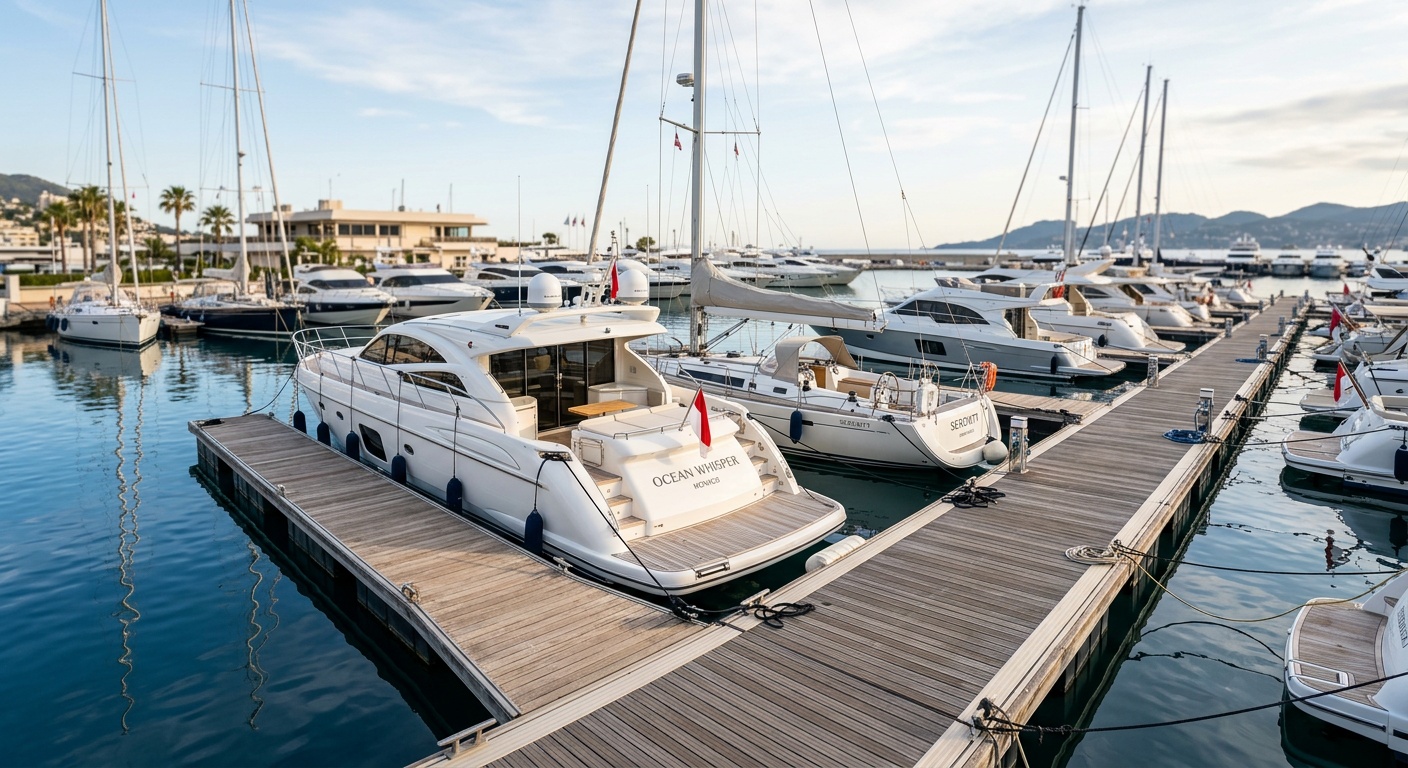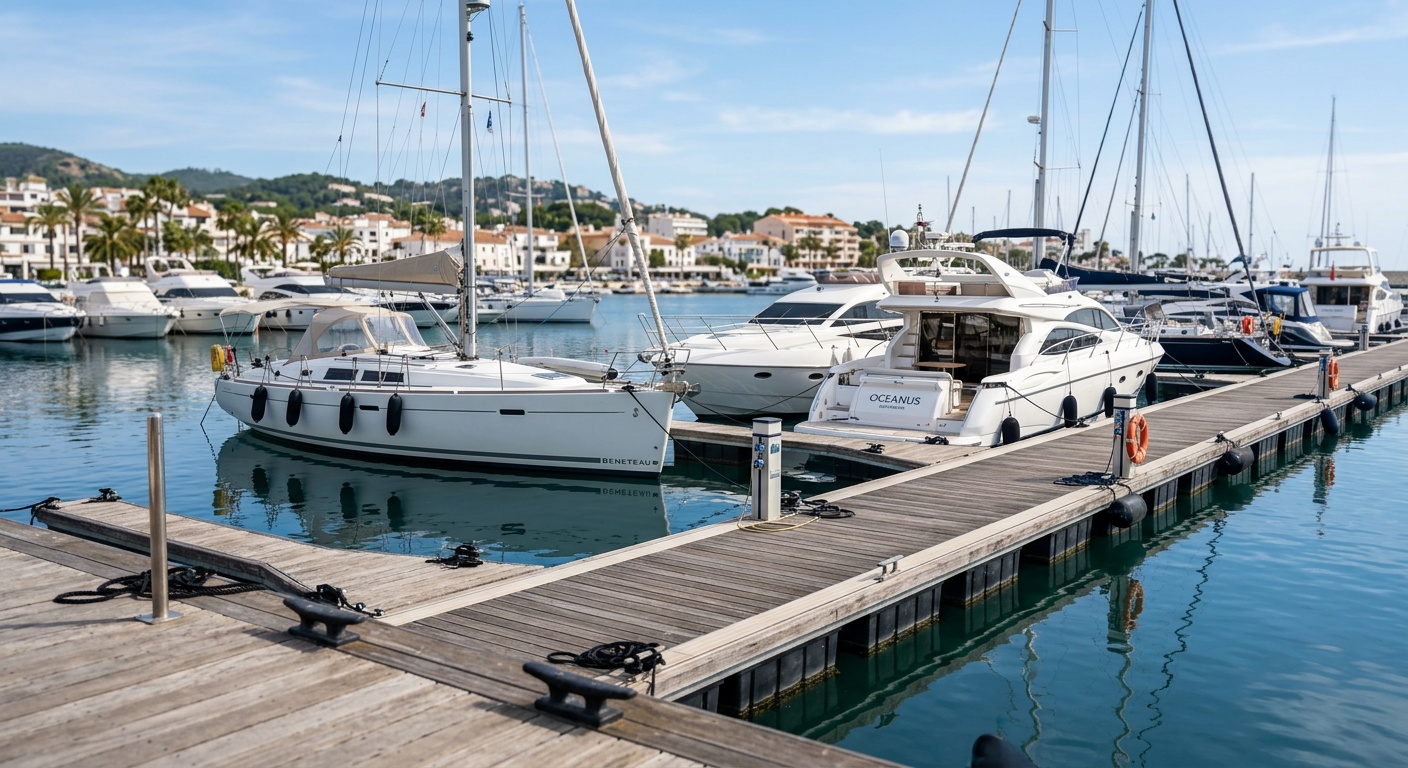
Caribbean Marina Living vs Adriatic Coastal Communities: Which Waterfront Lifestyle Wins in 2026?
Reading time: 9 minutes
Picture two mornings. In one, you’re sipping coffee on a catamaran berth in Rodney Bay, Saint Lucia, watching pelicans dive while the trade winds hum through your rigging. In the other, you’re on a stone terrace in Rovinj, Croatia, listening to church bells while a fishing boat chugs past limestone villas that have stood for four centuries. Both are “marina living.” Both sell a dream. But they are, in practice, wildly different lifestyles wrapped in similar marketing brochures.
If you’re weighing a move—or an investment—between Caribbean marina developments and Adriatic coastal towns, this guide cuts through the glossy real estate copy and gets into what actually matters: cost, climate resilience, community, and long-term value.
Table of Contents
- The Big Picture: Two Seas, Two Philosophies
- Cost of Marina Living: Caribbean vs Adriatic
- Climate Risk and Insurance Realities
- Community, Culture, and Daily Rhythm
- Visual Comparison: Key Lifestyle Metrics
- Common Challenges and How to Overcome Them
- Frequently Asked Questions
- Your Roadmap Forward
The Big Picture: Two Seas, Two Philosophies
Caribbean marina communities—think Marigot Bay in Saint Lucia, the Bahamas’ Exuma Cays, or Puerto Rico’s Palmas del Mar—are largely built for boating. Infrastructure is engineered around slip access, hurricane moorings, and resort-style amenities. Adriatic towns like Rovinj, Split, Kotor, and Trogir, by contrast, grew organically over centuries, and marinas were slotted into existing medieval or Venetian-era harbors.
That distinction shapes everything. Caribbean marina living tends to be newer, more curated, and pricier per square foot of “lifestyle.” Adriatic coastal living blends historic density with modern marina infrastructure, often at a lower entry cost but with more regulatory friction for renovations near protected heritage zones.
Well, here’s the straight talk: neither region is objectively “better.” The right choice depends on whether you’re chasing turnkey convenience or textured, centuries-old character.
Who Actually Moves to Each Region?
According to 2026 relocation survey data from international property platform Knight Frank, roughly 61% of North American buyers purchasing Caribbean marina properties cite hurricane-season flexibility and dollar-pegged currencies (like the Eastern Caribbean Dollar or USD in Puerto Rico) as primary motivators. Meanwhile, European buyers moving to Adriatic towns overwhelmingly cite cultural proximity, EU residency pathways, and lower everyday living costs—Croatia’s cost of living in 2026 remains roughly 35-40% below Western European averages.
The Infrastructure Gap Nobody Talks About
Caribbean marinas often deliver superior berthing technology—fixed floating docks engineered for storm surge, on-site haul-out yards, and fuel docks within walking distance. Adriatic marinas, especially in smaller towns, sometimes still rely on stern-to mooring with limited slip depth, though major hubs like Marina Punat in Croatia have modernized significantly since 2023, adding smart-metering for berths and expanded superyacht capacity ahead of the 2026 sailing season.
Cost of Marina Living: Caribbean vs Adriatic
Let’s talk numbers, because this is where dreams meet spreadsheets.
Caribbean marina berths in 2026 average $18-$35 per foot per month in premier locations like the British Virgin Islands or St. Maarten, with annual contracts often exceeding $25,000 for a 45-foot vessel. Waterfront villas with private dock access in Saint Lucia or the Bahamas commonly start at $650,000 and climb past $2.5 million for prime marina-front real estate.
Adriatic marina berths remain comparatively affordable. Marinas in Montenegro’s Bay of Kotor or Croatia’s Kvarner Gulf average $12-$22 per foot per month, and coastal apartments with marina proximity in towns like Split or Zadar can still be found in the $220,000-$500,000 range, though Dubrovnik and Hvar command premiums closer to Caribbean pricing due to tourism demand.
“Buyers underestimate how much annual maintenance costs diverge between the two regions,” says Elena Vukovic, a Split-based property consultant who has advised over 200 international buyers since 2021. “Salt air and hurricane exposure in the Caribbean mean you’re budgeting 3-5% of property value annually for upkeep. In the Adriatic, it’s closer to 1.5-2%, partly because the Mediterranean climate is gentler on structures.”Ongoing Cost Categories to Budget For
- Insurance: Caribbean hurricane-zone insurance premiums rose an average of 22% between 2024 and 2026 following back-to-back active storm seasons; Adriatic property insurance remains comparatively stable, rising only 4-6% in the same period.
- Utilities: Caribbean electricity costs (often diesel-generated on smaller islands) average $0.38-$0.45/kWh versus $0.16-$0.20/kWh in most Adriatic EU-connected grids.
- Marina fees: Factor in winter storage—Adriatic marinas typically include seasonal haul-out in membership fees; Caribbean marinas often charge separately for hurricane hauling.
- Residency and visas: Croatia and Montenegro offer relatively accessible long-stay visas for property owners; several Caribbean nations require significant investment thresholds (often $200,000+) for residency-by-investment programs.
Climate Risk and Insurance Realities
This is the elephant on the dock. Caribbean marina living exists in an active hurricane corridor. The 2025 Atlantic hurricane season produced 19 named storms, and NOAA’s early 2026 outlook projects another above-average season with 17-21 named storms expected. That’s not fear-mongering—it’s the operating reality of Caribbean coastal ownership.
The Adriatic isn’t storm-free, but its risk profile is different: occasional bora winds, rare but intensifying flash flooding events (Split saw significant flooding in autumn 2025), and slowly rising sea levels affecting low-lying historic centers like Venice’s broader lagoon system. Insurers increasingly model Adriatic risk around erosion and flood rather than catastrophic wind damage.
Practical Resilience Tips
- In the Caribbean, prioritize properties with hurricane-rated roofing (rated for 150+ mph winds) and marinas offering hurricane hole moorings.
- In the Adriatic, check flood zone mapping for coastal apartments, especially in Venice-adjacent areas and low-elevation parts of Split’s old town.
- Everywhere: get an independent marine surveyor’s report before purchasing dock rights—don’t rely solely on developer claims.
Community, Culture, and Daily Rhythm
Caribbean marina communities often function like self-contained resort ecosystems—English is dominant, expat networks are tight-knit, and daily life revolves around the marina clubhouse, sunset happy hours, and a rotating cast of sailing charter guests. It’s social, but sometimes insular.
Adriatic towns demand more cultural integration. Croatian, Montenegrin, or Italian is genuinely useful for daily errands, and expat communities, while growing, are smaller and more dispersed. The upside: deeper immersion into centuries-old traditions, seasonal festivals, and a slower, market-driven daily rhythm—fish markets at 7am, afternoon rest, long dinners that start at 9pm.
Quick Scenario: Imagine you’re a retired couple choosing between Antigua’s Falmouth Harbour and Croatia’s Vrsar. In Antigua, you’ll find an English-speaking sailing community and direct flights to North America. In Vrsar, you’ll find affordable healthcare through Croatia’s EU-aligned system, walkable historic streets, and a two-hour flight to most European capitals. Neither is wrong—but your answer reveals what you’re actually optimizing for: convenience or immersion.
Visual Comparison: Key Lifestyle Metrics
Here’s a simplified comparison based on 2026 average data across popular marina towns in each region (scored 0-100 for relative affordability, resilience, and accessibility):
Affordability (Caribbean)45Affordability (Adriatic)72Climate Resilience (Caribbean)38Climate Resilience (Adriatic)68Marina Infrastructure Quality (Caribbean)80Marina Infrastructure Quality (Adriatic)66Metrics Table: Side-by-Side Snapshot
Metric Caribbean Marina Towns Adriatic Coastal Towns Avg. berth cost (45ft/month) $1,100-$1,575 $540-$990 Entry-level waterfront property $650,000+ $220,000+ Annual insurance (avg. property) 3-5% of value 1.5-2% of value Major storm season risk High (June-Nov) Low-Moderate (localized bora/flood) Residency pathway ease Varies (investment thresholds) Moderate (EU-adjacent programs) Common Challenges and How to Overcome Them
Challenge 1: Overpaying for “Marina Lifestyle” Branding
Developers in both regions love the phrase “marina lifestyle,” but not every marina berth is created equal. In the Caribbean, some newer developments sell dock access that’s seasonal or shared. Solution: request the marina’s actual berthing agreement, not just the sales brochure, and confirm hurricane season protocols in writing.
Challenge 2: Underestimating Bureaucracy
Adriatic property purchases, particularly in Croatia and Montenegro, can involve notary requirements, reciprocity checks for non-EU buyers, and heritage-zone renovation restrictions that surprise first-time buyers. Solution: hire a local property lawyer before signing any preliminary contract—not after.
Challenge 3: Currency and Financing Friction
Caribbean island nations often use pegged or local currencies, complicating mortgage financing for foreign buyers. Adriatic properties, particularly in Croatia (eurozone since 2023), simplify this considerably for EU-based buyers. Solution: explore local bank financing early, since international banks are often reluctant to lend on foreign island property regardless of region.
Frequently Asked Questions
Is it cheaper overall to live in an Adriatic marina town than a Caribbean one?
Generally yes. Between lower property entry prices, cheaper utilities, and reduced insurance premiums, total cost of ownership in Adriatic towns in 2026 runs 30-45% lower than comparable Caribbean marina properties, though luxury hotspots like Hvar or Dubrovnik narrow that gap significantly.
Which region offers better resale value for marina properties?
Caribbean marina properties in established hubs like the BVI and St. Maarten have historically appreciated faster due to limited land supply and strong charter-tourism demand, but they’re also more volatile after major storm seasons. Adriatic properties appreciate more steadily, buoyed by EU tourism growth and infrastructure investment through 2027.
Can I actually keep a boat and live aboard year-round in either region?
Yes in both, but with caveats. Caribbean liveaboards need hurricane contingency plans (often relocating vessels seasonally). Adriatic liveaboards face stricter winter mooring regulations in some EU marinas and should confirm long-term berth availability, since many marinas prioritize seasonal tourist traffic in summer.
Your Roadmap Forward
Choosing between Caribbean marina living and Adriatic coastal communities isn’t really about which sea is prettier—it’s about matching a lifestyle to your risk tolerance, budget, and appetite for cultural immersion. Here’s how to move from research to decision:
- Step 1: Spend at least one full season (not just a vacation week) in your target region before committing—ideally including hurricane season in the Caribbean or shoulder season in the Adriatic.
- Step 2: Get itemized cost breakdowns for insurance, marina fees, and utilities directly from current owners, not developers.
- Step 3: Consult a local property lawyer and marine surveyor before any deposit—both regions have jurisdiction-specific pitfalls.
- Step 4: Map your residency and financing pathway early, since visa rules and lending practices shift year to year.
- Step 5: Revisit your decision against 2026-2027 climate projections; both regions are adapting infrastructure, but at different speeds.
As global coastal migration accelerates and climate adaptation reshapes waterfront real estate markets worldwide, the choice between these two seas increasingly reflects a broader question every buyer faces: do you want resilience built into your surroundings, or are you willing to build it yourself? Whichever dock you ultimately tie up to, make sure it’s a decision made with open eyes—not just an open bar tab. So, which horizon is calling your name?