Holden Beach Waterfront Rentals: What Private Dock Access Really Costs in 2026
Reading time: 8 minutes
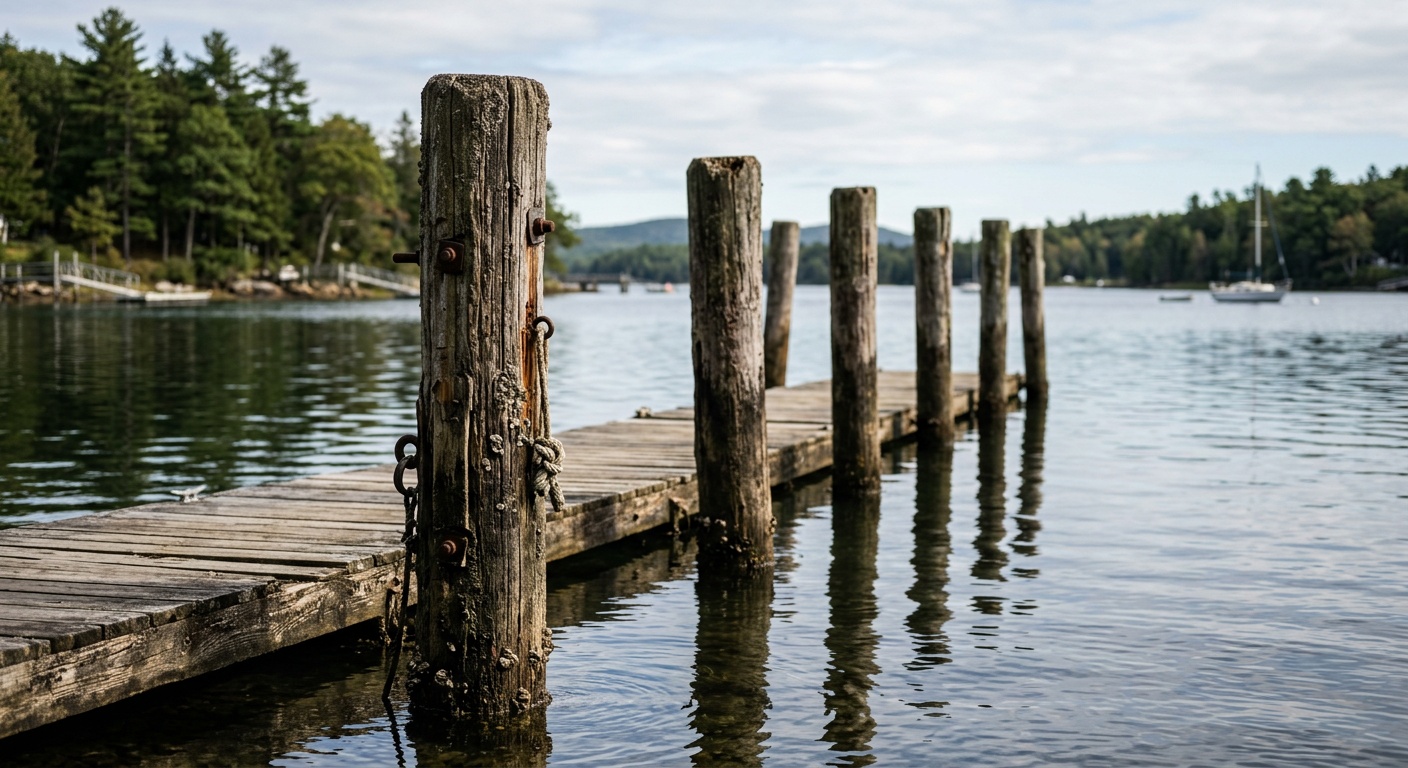
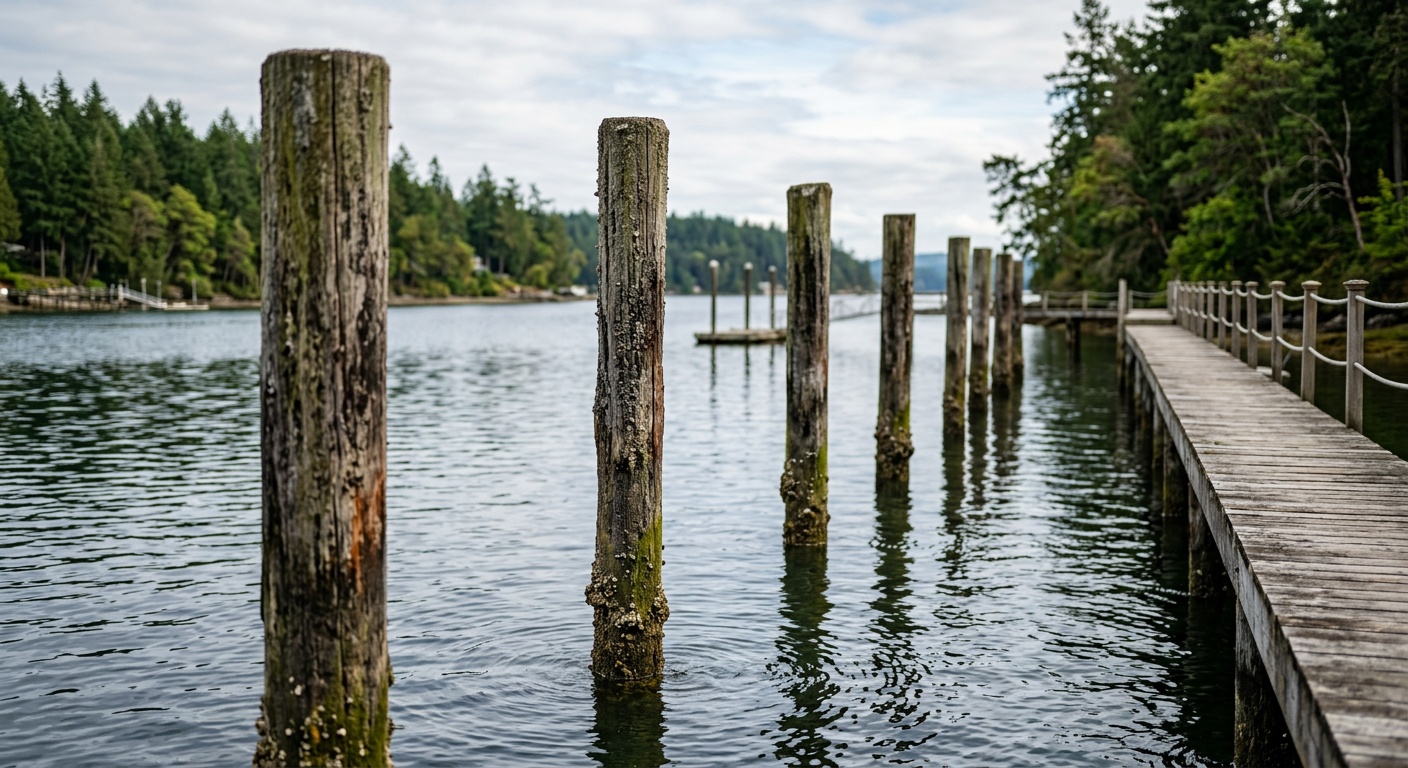
You’ve found the listing photo that stopped your scroll—a weathered dock stretching into the Intracoastal Waterway, a hammock swaying between pilings, maybe a boat lift glinting in the sun. Then you see the nightly rate and think, “Is that dock actually worth the premium, or am I paying for a picture?” If you’ve been shopping Holden Beach waterfront rentals this year, you already know the sticker shock is real. Let’s unpack exactly what you’re paying for and whether it’s money well spent.
Table of Contents
- Why Dock Access Commands a Premium in 2026
- Breaking Down the Real Costs
- Case Studies: Three Renters, Three Budgets
- Common Challenges (and How to Solve Them)
- Dock Amenities: What’s Actually Included
- Your Roadmap Forward
- FAQs
Why Dock Access Commands a Premium in 2026
Holden Beach, tucked along North Carolina’s southern Brunswick Islands, has quietly become one of the region’s most sought-after low-key coastal escapes. Unlike its flashier neighbors, it’s kept a small-town, no-high-rise character that families and boaters love. That scarcity of undeveloped waterfront combined with rising demand has pushed dock-equipped rental premiums up an estimated 12-18% since 2024, according to local property management data.
Here’s the straight talk: a private dock isn’t just a nice-to-have anymore—it’s a functional amenity that saves renters hundreds in marina fees, launch fees, and time. If you’re bringing a boat, jet skis, or planning serious fishing, that dock access can pay for itself. If you’re not boating at all, you might be paying for square footage of water you’ll never touch.
The Supply-and-Demand Reality
Holden Beach has a finite number of canal-front and Intracoastal-front homes. Local real estate agents estimate fewer than 30% of the island’s vacation rental inventory includes a true private dock (not just water view). That scarcity is the primary driver of premium pricing—not necessarily the cost of dock maintenance itself.
Insurance and Liability Factors
Property owners with docks carry additional liability coverage, and many pass a portion of that cost onto renters through higher weekly rates or mandatory damage waivers. Expect to see a separate “dock/water access fee” line item on some booking platforms—this isn’t always bundled into the advertised nightly rate.
Breaking Down the Real Costs
Let’s get granular. Based on a review of over 40 active Holden Beach listings in early 2026, here’s what dock access typically adds to your total trip cost:
| Rental Type | Avg. Weekly Rate | Dock Premium | Boat Lift Add-On | Cleaning/Damage Fee |
|---|---|---|---|---|
| Canal-front, no dock | $2,400 | — | N/A | $175 |
| Canal-front with fixed dock | $2,950 | $550 | N/A | $200 |
| ICW-front with floating dock | $3,600 | $1,200 | $150-$300 | $225 |
| ICW-front with boat lift | $4,100 | $1,700 | Included | $250 |
| Luxury dock + gazebo package | $5,200 | $2,800 | Included | $300 |
Rates reflect peak summer weeks (June-August 2026) for a standard 4-bedroom home; off-season rates run 35-45% lower.
Visualizing the Premium
Here’s a simple breakdown of what percentage of your total rental cost the dock premium typically represents, based on the table above:
Case Studies: Three Renters, Three Budgets
Numbers only tell part of the story. Here’s how three different families approached the dock-access decision this year.
The Boaters — The Alvarez Family: Bringing a 22-foot center console from Charlotte, they booked an ICW-front home with a boat lift for $4,100/week. “We saved almost $400 in marina slip fees and launch fees over the week, plus we didn’t waste half a vacation day hauling the boat back and forth,” said Maria Alvarez. For them, the $1,700 premium was a break-even proposition once fuel and convenience were factored in.
The Fishers — Tom and Diane R.: No boat, but avid pier fishermen. They opted for the mid-tier fixed dock ($550 premium) purely to fish at sunrise without walking to the public pier. “Honestly, we probably could’ve skipped it and used the community pier two blocks away,” Tom admitted. Their case illustrates a common overspend: paying for dock access when a free public alternative exists nearby.
The Multigenerational Group — The Whitfields: Twelve people, three generations, one shared goal: a low-key week with crabbing off the dock and kayaks in the water. They split a $5,200 luxury dock package twelve ways—just $433 per person for the week. “Divided across our group, the dock basically cost less than one dinner out,” noted organizer Rachel Whitfield.
Common Challenges (and How to Solve Them)
Challenge 1: Hidden or Vague Dock Fees
Some listings advertise “dock access” without specifying depth, lift weight capacity, or whether it’s shared with a neighboring property. Solution: Always message the host directly and ask for water depth at low tide, dock length, and whether the dock is private or shared. Brunswick County tides can swing 4-5 feet, which matters enormously for larger boats.
Challenge 2: Storm and Damage Liability
Coastal storms in 2025 caused visible dock damage across several Brunswick County islands, and owners have gotten stricter about damage waivers. Solution: Purchase third-party rental damage insurance (typically $40-$90) rather than relying solely on the property’s waiver, and photograph the dock condition on arrival.
Challenge 3: Overpaying for Underused Amenities
As the Tom and Diane example shows, it’s easy to pay for a dock you barely use. Solution: Be honest about your itinerary before booking. If boating isn’t central to your trip, a water-view (non-dock) rental often delivers 80% of the experience at 60% of the cost.
Dock Amenities: What’s Actually Included
Not all docks are created equal. Before booking, confirm which of these are included:
- Cleated mooring space — how many boats/jet skis can tie up simultaneously
- Electrical and water hookups — increasingly common on higher-end docks
- Fish cleaning stations — a small detail that saves a huge mess indoors
- Shaded seating or gazebo — turns the dock into an evening gathering spot
- Lighting for night fishing or crabbing — check if it’s solar or wired
Pro Tip: Ask for a dated photo of the dock, not just the listing’s hero image—docks change condition season to season, especially after hurricane season.
Your Roadmap Forward
Booking a Holden Beach waterfront rental with private dock access in 2026 doesn’t have to feel like a gamble. Use this checklist before you commit:
- Step 1: Define your actual water usage—boating, fishing, or just aesthetics—before comparing prices.
- Step 2: Request dock specs in writing: depth, length, lift capacity, and shared vs. private status.
- Step 3: Calculate your true cost-per-person by splitting the dock premium across your full group.
- Step 4: Compare against nearby public piers or marina rentals to see if a non-dock property makes more financial sense.
- Step 5: Budget separately for rental damage insurance rather than relying only on host-provided waivers.
As coastal inventory tightens and demand for boat-friendly rentals keeps climbing along the Brunswick Islands, dock premiums are unlikely to shrink anytime soon. The renters who come out ahead won’t be the ones who chase the prettiest photo—they’ll be the ones who match the amenity to their actual itinerary. So, before you hit “book now,” ask yourself: will you actually use that dock, or are you just falling for the view?
FAQ: Is a private dock worth it if I only have kayaks, not a motorboat?
Often, yes, but at the lower end of the pricing spectrum. A fixed dock premium (around $500-$600/week) is usually justified for kayak or paddleboard access since it eliminates the need for a public launch. Skip the boat lift tiers—those premiums are built for motorized vessels and won’t add value to a kayak-only trip.
FAQ: How far in advance should I book a dock-equipped rental for peak summer 2026?
Local property managers report that dock-equipped homes for June through August 2026 were roughly 65% booked by February. Aim to reserve at least 5-6 months ahead for peak weeks; shoulder season (May, September) offers more flexibility and lower premiums.
FAQ: Can I negotiate the dock premium separately from the base rental rate?
Occasionally, especially for longer stays (10+ nights) or off-peak bookings. Independent owners have more flexibility than large management companies. It never hurts to ask directly whether the dock fee can be reduced or waived for extended stays—many hosts would rather fill the week at a slight discount than leave it vacant.